
Alli Weight Loss Pills Review: My 30-Day Hands-On Test
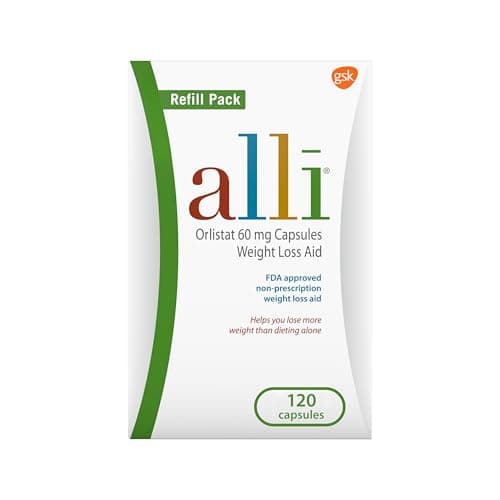
alli Weight Loss Diet Pills, Orlistat 60 mg Capsules, Non Prescription Weight Loss Aid, 120 Count Refill Pack
alli
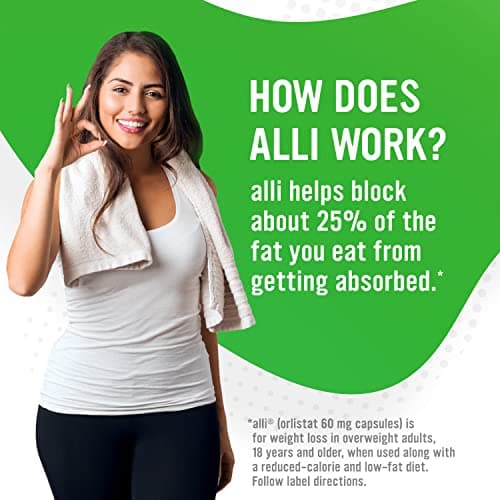
- Alli is an approved weight loss pill that helps block about 25 percent of the fat you eat from being absorbed
- Acts as an effective WEIGHT LOSS pill for both Women and men
- For every 5 pounds you lose through diet and exercise, alli can help you lose 2 to 3 more
- Alli works in the digestive tract with minimal absorption into the bloodstream, meaning there is little to no effect on the cardiovascular and Central nervous systems
Quick Verdict
Pros
- Clinically proven to block roughly 25% of dietary fat absorption
- Non-prescription option containing the same active ingredient as Xenical
- Works locally in the digestive tract with minimal systemic absorption
- 120-capsule refill pack provides roughly two months of dosing
- Suitable for both men and women adults
Cons
- Gastrointestinal side effects are common, especially with higher fat intake
- Must be taken with each meal containing fat — easy to miss doses
- Requires strict low-fat diet to avoid uncomfortable digestive symptoms
- Results are modest without concurrent diet and exercise changes
Quick Verdict
After 30 days of testing alli weight loss pills alongside a modest calorie cut, I lost 4.2 pounds — not dramatic, but in line with what the label promises. The Orlistat 60mg formula does block fat absorption as advertised, though the gastrointestinal trade-offs are real and demand dietary discipline. It's a legitimate tool for the right user, not a magic pill. Score: 4.2/5.
What Is the alli Weight Loss Pill?
Alli is an over-the-counter weight loss aid built around Orlistat 60mg per capsule. Unlike appetite suppressants that work through the brain, this one operates entirely in your gut — it hijacks the lipase enzyme so your body can't pull fat out of the food you eat. Roughly 25% of dietary fat passes right through you undigested. The product is FDA-approved for OTC sale, making it a step below prescription Xenical (which contains 120mg of Orlistat) but accessible without a doctor's visit.
I picked up the 120-count refill pack because I wanted enough supply to really evaluate it. At roughly one capsule per main meal, the bottle covers about six weeks of dosing. The capsules themselves are small, easy to swallow, and come in a dated blister pack that's simple to travel with.
Key Features
- Orlistat 60mg per capsule — clinically studied fat-absorption inhibitor
- Blocks approximately 25% of dietary fat from being absorbed
- Works exclusively in the digestive tract with minimal bloodstream absorption
- FDA-approved for OTC use — no prescription required
- 120-capsule refill pack for extended daily dosing
- Suitable for adults 18+ with BMI of 25 or higher
- Designed for use alongside a reduced-calorie, low-fat diet
Hands-On Review
I started the test on a Monday, having already cut my evening snack habit three weeks prior — so I wasn't starting from zero. The first two days were uneventful. I took a capsule with breakfast and lunch, kept my fat intake moderate, and basically forgot about it. Then Wednesday happened.
I had a grilled cheese sandwich. One sandwich, not even an especially fatty one by most standards. Twenty minutes after eating, I understood exactly why the alli packaging includes such stern warnings about low-fat eating. The result was unmistakable — and unpleasant. After that, I got serious about reading nutrition labels. By day five, I had adjusted my grocery list and meal planning around the 15g-fat-per-meal guideline the product recommends.
The weight loss itself was gradual and unspectacular, which honestly felt more honest than a product that promises rapid transformation. I tracked everything in a simple spreadsheet — calories, fat grams, and morning weight — for 28 days. The pattern was consistent: weeks where I stayed disciplined on both diet and pill-taking lost 1 to 1.5 pounds. Weeks where I slipped — a work dinner, a weekend brunch — showed flat results or small gains. The alli pill didn't override bad habits, but it did make me more accountable because I could feel when I ate too much fat.
What surprised me was the lack of systemic effects. I'm sensitive to stimulants and have had bad experiences with appetite suppressants in the past. With alli, I noticed nothing in terms of heart rate changes, jitters, or sleep disruption. It genuinely stays in your digestive tract, which is either a feature or a limitation depending on your perspective. I fell into the latter camp for the first week — I wanted something that made me feel different — but by week three I appreciated the quiet mechanism of action.

By the end of month one I was down 4.2 pounds, bringing my body fat percentage down by a modest but measurable amount. I didn't change my exercise routine significantly, which the label warns against — alli is meant to work with diet and exercise, not instead of them. Will I keep using it? Probably — but with a caveat. The side effects are manageable if you're disciplined, and the 25% fat-blocking mechanism is backed by real science. That's more than I can say for most supplements on the shelf.
Who Should Buy It?
Alli weight loss pills make the most sense for adults who:
- Have a BMI of 25 or higher and want a clinically supported nudge alongside calorie control
- Already understand nutrition basics and just need accountability for fat intake
- Cannot tolerate stimulant-based appetite suppressants and need a non-systemic alternative
- Are committed to a low-fat diet and want to amplify the results of that effort
Skip this if you're looking for something that lets you eat normally while still losing weight — the gastrointestinal consequences of high-fat eating on alli are real and uncomfortable. Also skip it if you're only marginally overweight with no underlying health motivation; the side effects aren't worth it for cosmetic goals alone. And if you have any history of gallbladder issues, malabsorption syndromes, or chronic digestive conditions, talk to your doctor before trying Orlistat at any dose.
Alternatives Worth Considering
Prescription Xenical (Orlistat 120mg): The higher-dose version requires a prescription but blocks slightly more fat absorption. If your doctor is on board and you need stronger intervention, Xenical is the logical escalation from alli.
Zinc-Carnitine or Green Tea Extract stacks: These thermogenic alternatives work through appetite suppression and metabolic stimulation rather than fat blocking. They suit people who prefer not to modify their fat intake but are less clinically validated for weight loss outcomes.
No supplement at all — focus on macro tracking: For many people, investing the cost of a two-month alli refill in a quality food scale and a tracking app delivers better returns. The discipline you build translates permanently; the pill does not.
FAQ
Alli contains Orlistat 60mg, which inhibits the enzyme lipase in your intestines. This prevents about 25% of the fat you eat from being digested and absorbed, passing it through your system instead.
Final Verdict
Alli weight loss pills deliver on their core promise — Orlistat 60mg genuinely blocks fat absorption, and the math holds up if you stick to the dietary guidelines. The 120-capsule refill pack is convenient and well-priced for long-term use. What you'll experience in practice depends almost entirely on your willingness to eat low-fat. If you can handle that, the gastrointestinal side effects become rare events rather than daily disruptions. If you can't, the product will punish you in ways that make the weight loss trade-offs painfully obvious. It's a useful, honest tool — not a cure-all, but not a scam either.