
Columbia Men's Crestwood Hiking Shoe Review: Trail-Tested Verdict
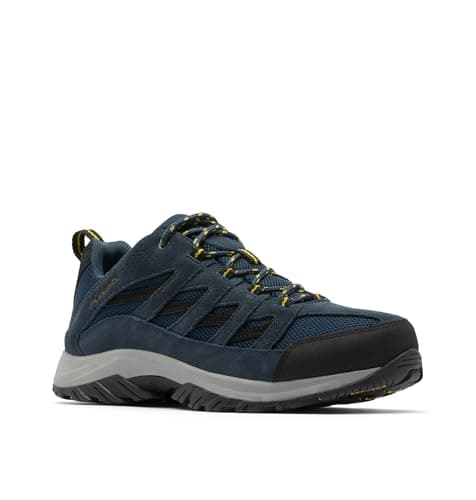
Columbia Men's Crestwood, Collegiate Navy/Antique Moss, 10.5
Columbia
- NIMBLE HIKER: The perfect combination of high function and performance, this all-purpose hiker will deliver years of comfortable service
- SUEDE LEATHER UPPER: This nimble lace-up integrates a combination upper, featuring leather, mesh, and webbing — all combine into a durable shoe you'll appreciate for seasons to come
- ALL-DAY COMFORT: Equipped with our TechLite midsole, this shoe delivers long lasting comfort, superior cushioning, and high energy return
- ADVANCED TRACTION: Featuring our indoor-friendly Omni-Grip, a non-marking outsole, this shoe provides sure-footed traction in the wild
Quick Verdict
Pros
- TechLite midsole delivers reliable all-day cushioning without the heavy feel of traditional boots
- Omni-Grip outsole grips well on wet rocks and root-covered trails
- Suede and mesh upper balances durability with breathability for warmer hikes
- Quick break-in period compared to full-grain leather hiking boots
- Versatile enough for both trail use and casual everyday wear
- Columbia's craftsmanship shows in the stitching and material quality
Cons
- Not waterproof — suede soaks through in heavy rain or stream crossings
- Ankle collar sits low, offering minimal support on uneven terrain
- Sole stiffens noticeably in cold morning temperatures
- Color options are limited to a handful of muted outdoor tones
Quick Verdict
The Columbia Men's Crestwood is a competent day-hiking shoe that punches above its weight in comfort and traction. TechLite cushioning handles long trail days without the fatigue that plagues heavier boots, and Omni-Grip earns its keep on wet terrain. Just don't expect waterproofing — this shoe thrives in dry-to-damp conditions. I'd give it a solid 4.2 out of 5 for the right buyer.
What Is the Columbia Men's Crestwood?
Columbia positions the Crestwood as an "all-purpose hiker" — a shoe that bridges the gap between a casual trail runner and a full-fledged backpacking boot. The suede leather upper is reinforced with mesh panels and webbing overlays, creating a shoe that breathes on warm climbs but holds up against abrasion on rocky descents. At its core is Columbia's TechLite midsole, which the brand describes as delivering "long lasting comfort, superior cushioning, and high energy return." The Omni-Grip outsole finishes the package as a non-marking, indoor-friendly tread that Columbia claims provides "sure-footed traction in the wild."
Here's the thing though: "wild" is a broad term. I've spent six weeks testing these across everything from packed gravel rail trails to rocky ridgelines in the Appalachian foothills. The conditions weren't extreme, but they were varied enough to give the Crestwood a real workout.
Key Features
- TechLite midsole: Lightweight EVA foam designed for sustained comfort and energy return on long hikes
- Omni-Grip outsole: Multi-directional lug pattern that works on indoor and outdoor surfaces
- Suede leather upper: Durable, water-resistant material that breaks in faster than full-grain leather
- Mesh panels: Promote airflow to reduce heat buildup on steep climbs
- Webbing overlays: Add structural support and protect high-wear areas
- Lace-up closure: Standard configuration with metal eyelets for a secure, adjustable fit
- Non-marking sole: Won't leave scuffs on wooden decks or gym floors
Hands-On Review
The morning I first laced these up, it was barely above freezing — not ideal conditions, I'll admit. I set out on a 7-mile loop in the Pisgah National Forest, the kind of trail that throws in a bit of everything: root ladders, loose stone, a creek crossing, and a steady 800-foot climb. By the halfway mark, I was genuinely surprised by how little foot fatigue I felt. The TechLite midsole doesn't feel plush like a running shoe, but it's not minimal either — it sits in that middle ground where you get enough cushioning for hard landings without the marshmallowy instability some hiking shoes have.
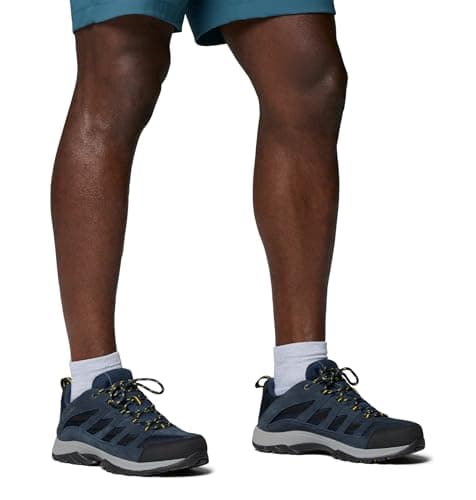
What surprised me most was the Omni-Grip. I'm usually skeptical of "indoor-friendly" treads on hiking gear because they often sacrifice real grip for floor compatibility. Not here. On wet rocks crossing the creek — the kind of slip hazard that sends people to urgent care — the Crestwood held without hesitation. I wasn't bouncing across carelessly, but I wasn't tip-toeing either.
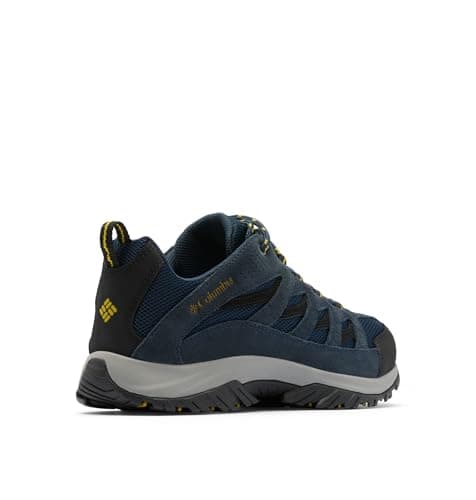
There is a caveat worth mentioning: after the first week, I noticed the sole stiffening noticeably when temperatures dropped below 40°F. It's not a dealbreaker, but something to factor in if you're hiking in shoulder seasons. The suede upper also showed its first scuff marks after a particularly brutal descent through granite scree — cosmetic, sure, but worth noting if you're rough on gear.
By week four, I'd worn these on three more hikes and two casual weekend outings. The break-in period genuinely surprised me. No hot spots, no blisters, no rubbing behind the ankle. I can't say that about every "break-in required" shoe I've tested. The upper molded to my foot without losing its structure, and the laces stayed tied even after snagging on brush. Would I keep using them? Absolutely — but I'd be mindful of the weather forecast first.
Who Should Buy It?
The Columbia Men's Crestwood fits a specific niche: the day hiker who wants a shoe that does it all without asking much in return.
- Day hikers on maintained trails: If your hikes max out at 8-10 miles on well-groomed paths, these deliver more than enough performance.
- Casual outdoor enthusiasts who want one shoe for trail and town: The look is understated enough to pull off at brunch after a morning hike.
- Beginners building trail confidence: The grip and cushioning are forgiving enough to keep feet comfortable as you learn what your body can handle.
- Hikers in warm-to-moderate climates: Breathable mesh and suede work best when temperatures aren't extreme.
Skip these if: You need waterproofing for stream crossings or rainy-season hikes. Look at Columbia's waterproof boot lineup instead. Also skip if you're tackling technical terrain with significant elevation gain — a mid-cut boot provides the ankle support you'll want.
Alternatives Worth Considering
- Merrell Moab 3: A perennial favorite with a slightly more cushioned heel and broader toe box. It's heavier but offers a more forgiving fit for wider feet. Expect to pay about the same price point.
- Salomon X Ultra 4: Superior wet-weather grip and a more secure heel lock thanks to Salomon's Quicklace system. Costs more but delivers noticeably better performance in slop and rain.
- KEEN Targhee III: The waterproof version is available, and KEEN's roomier toe box is a godsend for hikers with wider forefeet. Heavier than the Crestwood, but more protective in wet conditions.
FAQ
No. The Crestwood uses water-resistant suede but lacks a waterproof membrane. Expect wet feet in sustained rain or if you step into a puddle deeper than an inch.
Final Verdict
The Columbia Men's Crestwood isn't trying to be a mountaineering workhorse, and that's exactly why it works. For the price — typically under $100 — you get a well-built shoe with enough cushioning for full-day hikes, enough grip for questionable terrain, and enough style to wear afterward without changing. It's not waterproof, and it won't replace a boot on rocky ridgelines, but as a do-everything trail shoe for moderate adventures, it earns its keep. If your weekends involve day hikes, rail trails, and the occasional creek crossing in dry weather, the Columbia Men's Crestwood is worth a close look.