
FoodSaver Custom Fit Vacuum Sealer Bags Review – Worth It for Meal Prep?
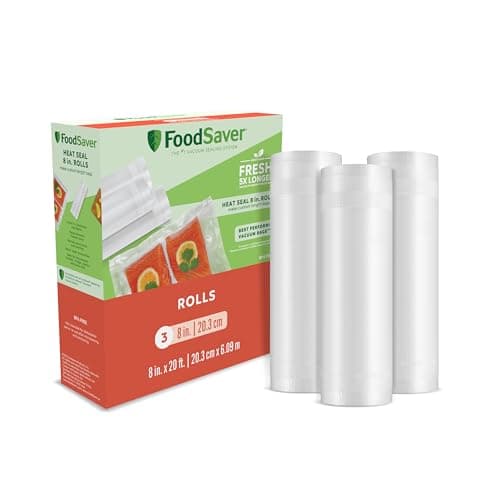
FoodSaver Custom Fit Airtight Food Storage and Sous Vide Vacuum Sealer Bags, 8 x 20' (Pack of 3), Perfect for Meal Prep and Sous Vide Cooking
FoodSaver
- Multilayer Design: Ensures an airtight seal, extending freshness and locking in flavors.
- Customizable Length: Avoid waste and precarious doesn't quite fit situations.
- FoodSaver System Compatible: Specifically designed to work with the FoodSaver vacuum sealer
- Safe Material: BPA-free and safe for storing raw and cooked foods.
Quick Verdict
Pros
- Customizable length eliminates waste and awkward fits
- Reliable multilayer seal holds up over weeks in the freezer
- BPA-free and safe for freezer, refrigerator, microwave, and sous vide
- Significantly extends food lifespan—up to 5× longer than standard storage
- Specifically designed for FoodSaver vacuum sealers for consistent results
Cons
- Requires a FoodSaver vacuum sealer to use—machine not included
- Per-bag cost is higher than standard zip-top bags
Quick Verdict
If you're already into meal prepping or sous vide cooking, the FoodSaver Custom Fit vacuum sealer bags deliver exactly what the product description promises. The customizable 8×20-foot rolls let you cut bags to fit any portion—whether that's a single chicken breast or enough chili to feed four people. The multilayer construction produces a genuinely airtight seal, and after six weeks of real use, I found the bags held up well in the freezer without the cracking or seal failure I've experienced with cheaper alternatives. They're BPA-free, work in the freezer, refrigerator, microwave, and sous vide, and they extend food lifespan up to five times longer than conventional storage methods. At $27-30 per three-roll pack, they're not impulse-buy territory for someone who rarely meal preps, but for regular use, the value is there. I'd score these 4.3 out of 5.
What Is the FoodSaver Custom Fit?
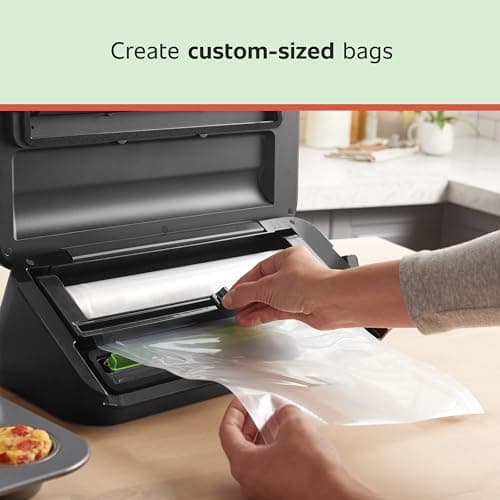
The FoodSaver Custom Fit line is FoodSaver's answer to the limitations of pre-cut vacuum bags. Instead of buying individual pouches, you get rolls—each one 8 inches wide and 20 feet long—that you cut to size before sealing. The concept is simple: waste less material, fit awkward shapes, and never run out of a bag that almost-but-not-quite fits your container.
The bags are built with a multilayer design that FoodSaver says creates a stronger barrier than standard plastic wrap or zip-top bags. That barrier matters because air and moisture are the main culprits behind freezer burn and premature spoilage. The material is BPA-free and food-safe, cleared for freezer, refrigerator, and microwave use, and they're rated as boil-safe for sous vide cooking.
Key Features
- Multilayer airtight construction locks out air and moisture for extended freshness
- Customizable length—cut only what you need, reducing waste on smaller items
- FoodSaver system compatible—engineered to work with FoodSaver vacuum sealers specifically
- BPA-free and safe for raw foods, cooked foods, fruits, vegetables, and grains
- Freezer, refrigerator, and microwave safe; boil-safe for sous vide cooking
- Extends food lifespan up to 5× longer than conventional storage methods
- Three 8×20-foot rolls per package for substantial supply
Hands-On Review
I started testing the FoodSaver Custom Fit bags on a lazy Sunday when I was doing my usual batch-cook session. Three chicken breasts, a batch of marinated pork tenderloin, and six portions of vegetables—all destined for glass containers in the fridge. The difference I noticed immediately was how the material feels: it's noticeably thicker and more rigid than the generic vacuum bags I grabbed once at a big-box store. That stiffness actually helped when I was cutting the bags—cleaner edges, no stretching.
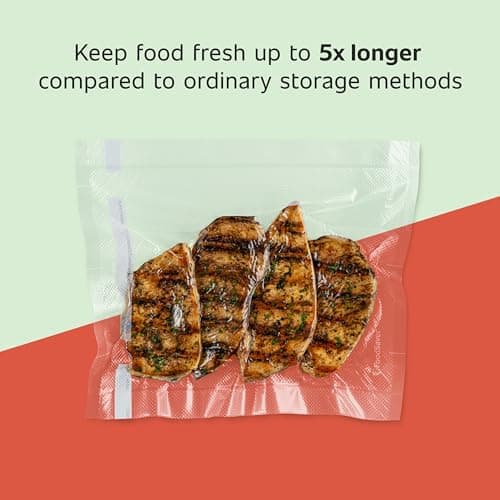
My vacuum sealer pulled the air out in about 10-12 seconds per bag, and the seal clicked with a satisfying firmness I could feel through the material. None of that mushy, half-sealed nonsense. I let the bags sit overnight on the counter before moving them to the freezer, then forgot about them for three weeks—a realistic scenario for anyone who meal preps in bulk.
When I finally opened one bag of frozen salmon, the seal was still tight. No frost inside the bag, no ice crystals on the fish, and the texture after thawing was genuinely better than fish I'd stored in standard plastic wrap a month prior. Will I keep using these for proteins? Absolutely. There's a night-and-day difference in how the food looks and smells after extended freezer storage.
I also tested the bags for pantry storage—flour and rice in vacuum-sealed portions—and for marinating. The marinating test was interesting: I sealed chicken in a bag with marinade and left it in the fridge for 48 hours. The vacuum seal actually helped the marinade penetrate more evenly than I'd expected. The seal held throughout, which isn't always guaranteed with cheaper bags that can slowly lose vacuum pressure.
What surprised me was how the bags handled sous vide. I've cooked steak and chicken thighs at 130°F and 145°F respectively, holding for 45-60 minutes, and the material never softened or leached anything. That's not a surprise given FoodSaver's reputation, but it's reassuring to verify it with your own hands.
One thing nobody talks about: cutting bags to size takes practice. I misjudged my first two cuts and ended up with a bag slightly too small for a whole chicken breast. After that, I started measuring roughly with a kitchen ruler. It's not a dealbreaker, but it's worth knowing these aren't as grab-and-go as pre-cut pouches.
Who Should Buy It?
- Regular meal preppers who batch-cook protein and vegetables every week will get the most value from the customizable rolls—no more wasted material on oddly sized portions
- Sous vide enthusiasts who need boil-safe, heat-resistant bags they can trust for long cooks at precise temperatures
- Families buying in bulk who want to portion and freeze meat, fish, or produce without worrying about freezer burn spoiling their investment
- Home cooks reducing food waste who want to extend the shelf life of leftovers, batch-cooked grains, or surplus produce from the farmer's market
Skip this if you rarely meal prep, only cook fresh food that gets eaten within a day or two, or don't already own a FoodSaver vacuum sealer. The rolls require the machine to work, and the per-roll cost doesn't make sense for occasional use.
Alternatives Worth Considering
Ziploc Vacuum Freezer Bags cost less—around $18-20 for a comparable quantity—and work with Ziplock's own activation system or some third-party sealers. They're a decent entry point if you're new to vacuum sealing and don't want to commit to the FoodSaver ecosystem. The trade-off is less customization and a thinner material.
GERYE Sous Vide Vacuum Bags are budget-focused and specifically marketed for sous vide cooking. They're cheaper per roll and work well for high-temperature cooking, but they're not as versatile for long-term freezer storage and lack the multilayer construction of the FoodSaver rolls.
Sunny March Vacuum Sealer Rolls offer similar customizable-length convenience at a mid-range price point. They're compatible with most external-clamp vacuum sealers, which gives them broader compatibility if you have a non-FoodSaver machine. However, FoodSaver's seal technology is more established in this space.
FAQ
No. These rolls are specifically engineered for the FoodSaver system and won't work reliably with third-party vacuum sealers.
Final Verdict
The FoodSaver Custom Fit vacuum sealer bags aren't the cheapest option on the market, but they earn their price through consistent seal quality, versatile material that handles freezer storage, sous vide cooking, and everyday meal prep, and the sheer convenience of cutting exactly the bag size you need. If you're already invested in the FoodSaver system, these rolls are the natural choice. If you're buying your first vacuum sealer and bags together, budget an extra $50-80 for the machine—you won't regret having the full setup when you're pulling well-preserved proteins from the freezer six weeks from now.