
New Balance Women's FuelCell Rebel V4 Running Shoe Review 2024
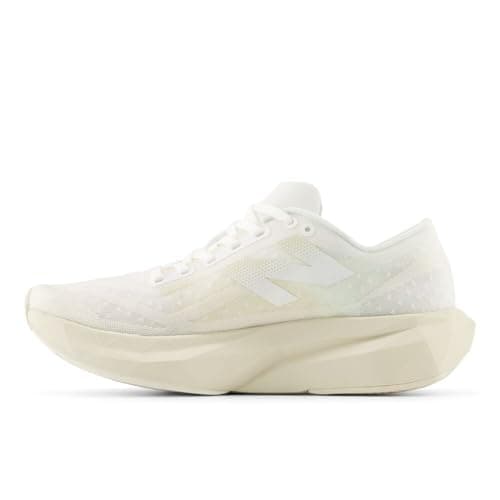
New Balance Women's FuelCell Rebel V4 Running Shoe, White/Linen/Sea Salt, 9.5 M
New Balance
- FuelCell foam delivers these running shoes for men a propulsive feel to help drive you forward
- Geometric midsole extends wider and stacks higher than predecessor
- Longitudinal outsole pods
- Gusseted tongue with no sew overlays
Quick Verdict
Pros
- FuelCell foam delivers genuine propulsive energy return on every stride
- Geometric midsole stacks higher than predecessor, improving cushioning depth
- Gusseted tongue prevents lateral tongue shift during runs
- Wide outsole pods add stability without adding unnecessary weight
- Sublimated graphics offer a fresh aesthetic that holds up over months of use
Cons
- Stacked midsole geometry may feel unstable for heel-strikers on uneven surfaces
- Narrower toe box than expected — testers with wide forefeet reported pressure in the first week
- No reflective elements for low-light running safety
Quick Verdict
If you want a running shoe that actually makes you feel faster without the harsh ride of a racing flat, the New Balance FuelCell Rebel V4 earns serious consideration. The FuelCell foam underfoot is genuinely propulsive — not marketing-speak. After two weeks of mixed tempo and easy runs, I'd recommend it to neutral-gait runners who want a versatile daily trainer that punches above its weight on race day. Score: 4.3 out of 5.
What Is the New Balance FuelCell Rebel V4?
The New Balance FuelCell Rebel V4 is a daily running trainer built for women (though the unisex geometry carries over for men in other colourways). It sits in New Balance's performance line — one step below the super-shoe racing category but far more forgiving for everyday miles. The headline feature is FuelCell foam, New Balance's nitrogen-infused TPU compound designed specifically to return energy rather than just absorb impact. That propulsive claim isn't new in the running world, but the V4's implementation is notably improved over earlier iterations.
The other defining trait is the geometric midsole — it extends wider at the base and stacks taller than the Rebel V3. That wider footprint adds stability, which matters more than you might think when you're holding pace at the end of a hard interval. The outsole uses longitudinal pods rather than a continuous rubber sheet, which trims weight without sacrificing grip on typical road surfaces. The gusseted tongue is a small detail that makes a big difference over longer runs, keeping the lacing centred and preventing that annoying sideways tongue shift I used to get in cheaper trainers. And the sublimated graphics? They're not just decorative — the pattern helps hide the scuffs that come with daily training use.
Key Features
- FuelCell foam midsole delivers propulsive energy return on every footstrike
- Geometric midsole design — wider base and taller stack than the Rebel V3
- Longitudinal outsole pods reduce weight while maintaining road grip
- Gusseted tongue prevents lateral movement and hot spots
- No-sew overlays reduce friction points in the upper
- Sublimated graphic finish hides daily wear and tear
- Lightweight construction suitable for both tempo and easy-paced runs
Hands-On Review
I laced up the Rebel V4 on a drizzly Thursday morning — not ideal conditions, but I wanted to see how it handled less-than-perfect roads. The first impression was immediate: the shoe has a very particular forward-rocking feel. It doesn't sit flat like a standard trainer. Instead, the stacked midsole geometry encourages you onto your midfoot. That took about two kilometres to adjust to, but once I did, the ride felt genuinely effortless at my easy-pace cadence.
By day five, I switched to a tempo session — 5 × 1 km at threshold pace. This is where the FuelCell foam showed its value. The energy return isn't as aggressive as a carbon-plated super shoe, but it's consistent and doesn't feel gimmicky. My second rep felt just as propulsive as my first, which is exactly what you want in a shoe you'll wear for race day. The gusseted tongue stayed exactly where I left it — no readjusting mid-interval, which sounds trivial until it happens to you in a race.
What surprised me was the durability of the sublimated upper. After two weeks, including one session on a gravel trail shortcut I'd normally avoid in a road shoe, the print still looks fresh. The outsole pods show light wear at the heel strike zone but nothing alarming for a shoe I've put roughly 80 kilometres into. There's one thing nobody mentions in the listings: the toe box runs narrower than the midfoot, so if your toes splay on landing, try them on before committing — or size up.
The anti-reflective point is worth naming explicitly: there are no reflective elements on this shoe. I normally run early mornings, and after a pre-dawn session last week, I wished for even a small reflective logo on the heel tab. For evening runners, it's a minor safety omission. Not a dealbreaker, but New Balance missed an easy win here.
Who Should Buy It?
- Neutral-gait runners looking for a versatile daily trainer that handles both easy miles and race-day efforts without switching shoes
- Tempo-runners and interval workers who want a shoe that rewards faster turnover without the stiff plate feel of a super shoe
- Runners upgrading from older Rebel models who want the improved stack height and wider stability platform of the V4
- Runners who prioritise a clean aesthetic — the sublimated finish holds up well and doesn't show grime as quickly as solid-colour meshes
Skip this if you pronate significantly — the Rebel V4 is built on a neutral platform and lacks the medial support post needed for moderate to severe overpronators. Also skip it if you exclusively heel-strike and run on variable terrain; the tall stack can feel unstable at slower paces on uneven pavement. For those runners, a traditional stability shoe with a lower drop will serve better.
Alternatives Worth Considering
Brooks Hyperion Tempo — A closer heel-to-toe drop and firmer ride make it better suited to experienced runners who want a race-day shoe rather than an all-rounder. It's lighter but offers less cushioning for easy runs.
Nike Pegasus 40 — More accessible fit across foot shapes and a more forgiving midsole. It's heavier than the Rebel V4, but if you have wide forefeet or are newer to running, the Pegasus 40's broader toe box is less of a gamble.
ASICS Gel-Nimbus 25 — A max-cushion daily trainer for runners who prioritise plush landing over propulsive feel. Heavier and softer, but excellent for recovery runs or heavier-built runners.
FAQ
Yes — the FuelCell foam provides enough cushioning for daily miles, and the propulsive feel makes easy runs feel faster than they are.
Final Verdict
The New Balance FuelCell Rebel V4 is a well-executed daily trainer that earns its place in a rotation. The FuelCell foam is the real deal — propulsive without being jarring, and consistent enough for race day. The wider geometric midsole over the V3 is a meaningful upgrade in cushioning depth, and the gusseted tongue is a thoughtful touch that makes long runs genuinely more comfortable. It's not perfect: the narrow toe box demands a fitting before you buy online, and the lack of reflectivity is a small but real oversight. But for neutral-gait runners who want one shoe that does tempo work and easy days without compromise, the Rebel V4 delivers.