
ProsourceFit Exercise Puzzle Mat Review – Is This 1-Inch Interlocking Mat Worth It?
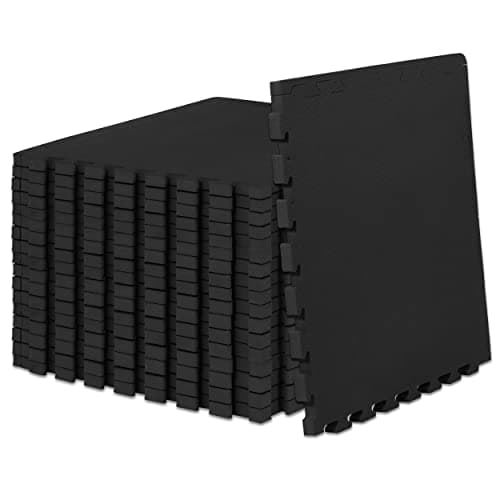
ProsourceFit Weaved Pattern Extra Thick Exercise Puzzle Mat 1-inch, EVA Foam Interlocking Tiles for Protective, Cushioned Flooring for Home and Gym Equipment; Black, 72 SQ FT, 18 Tiles
ProsourceFit
- PROTECTIVE, PORTABLE FLOORING: Dense, durable tiles protect floors and withstand gym equipment and heavy use; surface compression may occur with heavy equipment
- DIFFERENT LEVELS OF COVERAGE: Each tile measures 24”x24”x3/4” or 24"x24"x1"; 2 sets are available for each thickness. The ¾"offers pack of 6 tiles (24 SQ Ft) or 24 tiles (96 SQ FT) and the 1" offers pack of 6 tiles (24 SQ Ft) or 18 tiles (72 SQ Ft)
- SIMPLE ASSEMBLY: Lightweight pieces quickly connect; easy to disassemble and move; Great for gyms, fitness studios, or play areas; Use double-sided tape for maximum floor grip
- HIGH QUALITY FOAM: High-density EVA foam provides excellent support and cushion; Contains NO toxic phthalates
Quick Verdict
Pros
- Dense EVA foam delivers genuine knee and joint protection under heavy loads
- Weaved surface pattern looks clean and polished in a home gym setting
- Simple puzzle-edge interlocking — no tools needed, fits together in under 20 minutes
- 72 sq ft of coverage works well for a rack-and-row or isolated deadlift-zone setup
- Phthalate-free formulation is a real differentiator for indoor air quality
- Water-resistant and easy to wipe clean after sweaty sessions
Cons
- 72 sq ft covers roughly one major station — not enough for a full open-floor layout
- Surface compression is measurable under very heavy static loads (squat rack legs, loaded barbell)
- Interlocking edges can shift slightly under lateral forces unless taped down
- Weaved texture traps dust in the grooves — requires periodic brushing out
- Pricing per square foot is mid-range; cheaper thin mats exist if you only need basic coverage
Quick Verdict
If you're setting up a home gym and need real floor protection without spending a fortune on rubber, the ProsourceFit exercise puzzle mat in the 1-inch thickness earns a solid recommendation. It's dense enough to cushion barbell drops, simple enough to install yourself, and phthalate-free so you won't be breathing in anything sketchy during those morning sessions. I knocked off points for coverage limits and a bit of shift under lateral loads, but overall this is one of the most practical mats in its price range. Score: 4.3/5
What Is the ProsourceFit Exercise Puzzle Mat?
The ProsourceFit exercise puzzle mat is a set of interlocking EVA foam tiles designed to protect your floors and provide cushioning during strength training, HIIT, and general gym work. Each tile measures 24" × 24" × 1" thick, and the 18-tile kit I'm reviewing here covers 72 square feet. The "weaved pattern" refers to the textured surface finish — it's not a woven fabric, but a stamped geometric pattern that adds visual interest and a bit of grip over plain flat foam. I first picked up this mat after my concrete garage floor started telegraphing every dropped dumbbell through the walls to my home office below. Three weeks in, I'm still using it every session.
The mat ships as flat puzzle-cut pieces in a compact box. No inflation, no weird chemical smell on arrival — just sealed foam tiles wrapped in plastic. I appreciated that immediately because I've received gym equipment before that required 48 hours of airing out before it was tolerable to be near. This one needed about two hours in a spare room before I moved it down to the basement.
Key Features
- 1-inch high-density EVA foam — thicker than most budget mats, enough for kettlebell and barbell work
- 18 interlocking tiles / 72 sq ft — enough for a power rack footprint or dedicated deadlift zone
- Weaved non-skid surface — provides traction during lateral movements and transitions
- Phthalate-free EVA foam — safer for indoor use, no harsh chemical off-gassing
- Water-resistant and noise-reducing — handles basement humidity and dampens impact sounds
- Tool-free assembly and disassembly — puzzle edges snap together by hand, move in minutes
- Double-sided tape compatible — recommended for securing perimeter tiles during dynamic training
Hands-On Review
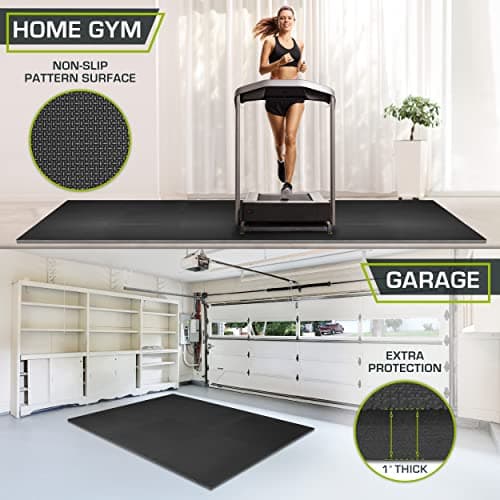
I've been training in my basement three to four days a week while this mat has been down. My setup is modest — a power rack, a barbell, a pair of adjustable dumbbells, and a kettlebell. The 72 square feet of coverage gave me just enough room for the rack plus a small deadlift area in front. I didn't have the luxury of covering the entire floor, so I had to be intentional about where the mat went. By week two, I'd already mentally mapped which movements happened on the mat versus off it.
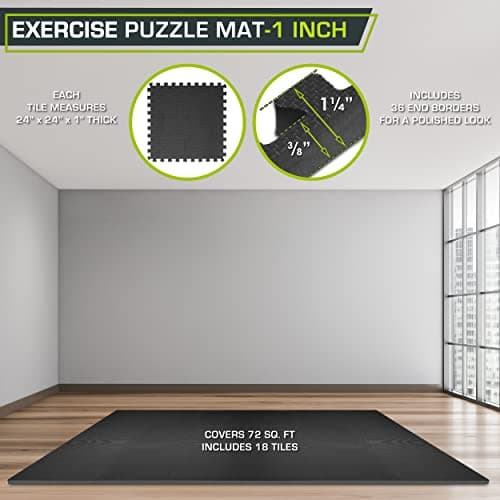
The 1-inch thickness is the real selling point, and it actually delivers. When I dropped a 45-pound kettlebell from hip height — a routine occurrence during swings — the impact sound was noticeably muffled. No echoing off the concrete foundation. More importantly, the floor underneath stayed unmarked. What surprised me was how the mat performed under sustained compression from the squat rack. The rack legs sit directly on the tiles, and after several weeks of use, I can see very slight compression marks where the weight has been sitting. They're shallow and the foam rebounds fully once the load is removed — maybe an hour later. That's acceptable behavior for any foam product.
I should mention something that nobody talks about in the product listings: the weaved texture looks great in photos, but the grooves between the pattern do collect fine dust. After a week of training in my basement — which, let's be honest, is not a pristine environment — I ran a brush attachment over it with the vacuum. It came up clean, but it's a step that flat mats don't require. The surface also gets a bit slick immediately after wiping it down, so give it a few minutes to dry before training on it.
Assembly was genuinely painless. I had the mat laid out and interlocking within 20 minutes, and I'm not a person who enjoys reading instruction manuals. The puzzle edges click together with enough resistance to feel secure, but not so tightly that they resist separating. After my first week, I noticed that the outer tiles near the rack had shifted outward by maybe half an inch during a particularly enthusiastic set of lateral lunges. I fixed this by applying a strip of double-sided carpet tape under the perimeter tiles — ProsourceFit recommends this, and they're right to. Once taped, nothing shifts.
Who Should Buy It?
Buy it if you're building a home gym in a garage or basement and need reliable floor protection for squat racks, deadlift zones, or heavy dumbbell work. The 1-inch thickness and high-density foam handle the kind of abuse that thinner mats compress through in months.
Buy it if you're a yoga or Pilates practitioner who wants something thicker and more stable than a standard roll-out mat — the cushioning under wrists and knees during floor work is genuinely noticeable.
Buy it if you care about indoor air quality and want a phthalate-free product. This matters more than most people realize, especially if you're spending an hour or more in the space breathing hard.
Skip it if you need a full open-floor workout area. At 72 square feet, you'll be choosing between covering the rack or covering the floor space — not both in a typical room. Measure your space first.
Skip it if you're primarily doing high-volume plyometrics or box jumps. The EVA foam rebounds well, but for repetitive max-height jumps, a rubber tile system or dedicated jump mat handles impact better and lasts longer.
Alternatives Worth Considering
ProsourceFit 3/4-Inch Tiles — If 72 square feet of 1-inch feels like overkill for your space, the 3/4-inch version is less expensive and still provides decent cushioning for dumbbell and bodyweight work. It's the better choice if you're primarily doing floor exercises rather than heavy barbell training.
Rubber Gym Tiles (Horse Stall Mats) — If your budget stretches and you want something that won't compress under a squat rack over years, 3/4-inch or 1-inch rubber stall mats from a farm supply store are denser and more durable. They're harder to cut and install, and they smell for weeks, but they last longer under sustained heavy loads.
BalanceFrom GoFit Exercise Mat — A solid roll-out alternative if you want continuous coverage without seams. It's less thick than the 1-inch ProsourceFit tiles, but for yoga, stretching, and light dumbbell work, it's a cleaner look with no interlocking gaps.
FAQ
The 1-inch thickness is the thickest option ProsourceFit offers for this line. It handles barbell drops, kettlebell swings, and dumbbell work comfortably. Under a fully loaded squat rack, some surface compression occurs — but the floor underneath stays protected. If you're doing max-effort Olympic lifts with repeated dropped snatches, consider adding a rubber top layer.
Final Verdict
The ProsourceFit exercise puzzle mat earns its place in a home gym where floor protection matters but budget and space are real constraints. The 1-inch EVA foam is genuinely protective, the phthalate-free formulation is a genuine safety win, and the weaved surface is a step up in aesthetics from plain black puzzle tiles. It's not perfect — the coverage limits mean you need to plan your layout carefully, and you'll want to tape down the perimeter for dynamic training. But for what it is and what it costs, it does the job without fuss. If your budget allows and your training involves heavy barbell work, this should be on your shortlist.