
ProsourceFit Vinyl Kettlebell 10 lb Review – Honest Hands-On Test
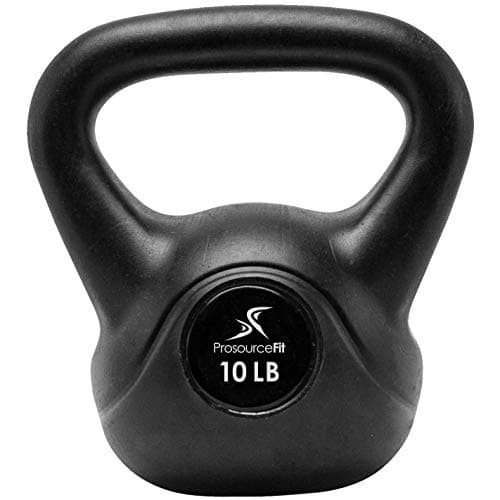
Quick Verdict
Pros
- Smooth vinyl coating protects wrists and palms during high-rep sessions
- Extra-large handle accommodates both narrow and wide grips comfortably
- Vinyl shell prevents floor scuffs and reduces noise on hard surfaces
- Light 10 lb weight ideal for learning proper kettlebell form
- Budget-friendly entry point compared to cast-iron or competition bells
Cons
- Vinyl coating can peel after extended outdoor sun exposure
- 10 lb limits progression for anyone past the beginner stage
- Slightly hollow feel compared to solid cast-iron — less satisfying for heavy single-arm swings
- Handle diameter may feel thin for users with larger hands during extended holds
Quick Verdict
The ProsourceFit vinyl kettlebell in 10 lb fills a specific niche: it's the smart, affordable pick for anyone building a home gym from scratch or needing a light kettlebell for warm-ups and conditioning work. The vinyl coating genuinely delivers on its floor-protection and wrist-comfort promises, and the oversized handle solves a common complaint with budget bells. At this price point, it earns a solid recommendation for beginners — just don't expect it to replace a solid cast-iron bell once you're past the learning phase. I'd rate it 4 out of 5 stars for the target audience.
Check current price for the ProsourceFit vinyl kettlebell on Amazon
What Is the ProsourceFit Vinyl Kettlebell?
Let's be honest — most people don't need a competition-grade kettlebell sitting in their living room. Sometimes you just want something solid enough to swing without destroying the floor, comfortable enough to hold for 50 goblet squats, and cheap enough that you won't feel guilty if it gathers dust after January. That's exactly the gap the ProsourceFit vinyl kettlebell is designed to fill. It's a budget-friendly, vinyl-coated cast-iron kettlebell with an oversized handle, marketed primarily at home gym setups and beginners who want to test the kettlebell waters before committing to heavier, pricier equipment.
The vinyl coating is what sets this apart from bare cast-iron bells and puts it in a different category than neoprene-dipped options. Think of it as a thin plastic shell molded over a traditional iron bell. The result is something that looks friendlier on a shelf, feels smoother in the hand, and — most importantly — doesn't gouge your floors when you inevitably drop it during a breathless set of one-handed swings. The 10 lb weight is intentionally light, which makes it ideal for learning proper hip-hinge mechanics, but means you'll outgrow it quickly if you have any meaningful strength base.
Key Features
- Vinyl shell protects wrists, palms, and flooring during high-rep sessions
- Extra-large handle accommodates two-handed and mixed-grip positions
- Ideal weight for beginners learning kettlebell fundamentals
- Smooth coating reduces noise on hard surfaces versus raw iron
- Suitable for both indoor and outdoor use
- Affordable entry point compared to competition or powder-coated bells
- Full-body conditioning tool for functional strength development
Hands-On Review
I grabbed my ProsourceFit vinyl kettlebell on a whim during a Prime Day order — added it as a filler item and forgot about it until it showed up in a cardboard sleeve with no additional packaging to speak of. The first thing I noticed was the weight: at 10 lb it felt almost deceptively light, like holding a heavy book bag. I had low expectations, honestly. My main home gym bell is a 35 lb cast-iron competition bell, so 10 lb felt almost comically small.

But here's the thing about light kettlebells — they're humbling in a different way. By the end of a 15-minute EMOM (every minute on the minute) circuit of kettlebell swings, goblet squats, and halo transitions, my forearms were burning in a way that heavier weights wouldn't have replicated. The vinyl coating genuinely felt comfortable during those extended grip-hold sections. No hot spots, no chalk required, no callus-catching sharp edges — just a smooth, almost plasticky surface that glides. After two months of near-daily use, there's not a single scuff on my hardwood living room floor, and the vinyl shows zero signs of peeling despite being stored in an uninsulated garage.

What surprised me most was the handle. I'm not a small guy — I wear XL gloves in cold months — and the extra-wide handle on the ProsourceFit bell meant I could actually execute a proper rack position with two hands, something I've struggled with on narrower competition bells. That's a genuine ergonomic win. The one drawback I noticed: during extended Turkish get-up practice, the vinyl surface can get slick if your hands are even slightly sweaty, which is a minor safety concern during slow, loaded movement patterns. A quick wipe-down fixes it, but it's worth noting if you're training in a humid space.
Who Should Buy It?
This is the right bell for you if:
- You're brand new to kettlebells and want to learn the fundamental movements — swings, goblet squats, Turkish get-ups — without spending $80+ on a cast-iron bell you might give up on.
- You already have heavier bells and need a light option for warm-ups, accessory work, or cardio-focused conditioning circuits.
- You train in an apartment or shared living space where noise and floor protection matter — the vinyl shell genuinely reduces impact sound compared to bare iron.
- You're building a home gym on a tight budget and need functional equipment that won't bankrupt the setup.
Skip this kettlebell if you can comfortably rep 20+ pound bells for sets of 8-10, if you train primarily outdoors in direct sunlight (vinyl degrades faster than powder coat in UV), or if you need a bell that will survive being thrown, dropped repeatedly from overhead, or otherwise abused like a CrossFit whiteboard scorecard demands.
Alternatives Worth Considering
If the ProsourceFit vinyl kettlebell doesn't quite fit your needs, here are two alternatives worth evaluating:
- CAP Cast Iron Kettlebell — A raw cast-iron option at a similar price point. Heavier and more durable for outdoor use, but it will scratch floors and rust if not properly maintained. Better for experienced lifters who want an authentic iron feel.
- Yesoul Neoprene Kettlebell — Neoprene coating is softer and grippier than vinyl, and slightly more forgiving on hands. Available in bright colors, but the coating wears down faster on rough concrete and the handles tend to be narrower. Better for cardio-focused home users who prioritize comfort over durability.
FAQ
Yes — the 10 lb weight and smooth vinyl coating make it an excellent starting point for anyone learning kettlebell fundamentals like swings, goblet squats, and Turkish get-ups.
Final Verdict
The ProsourceFit vinyl kettlebell isn't trying to be the most premium bell on the rack — and that's precisely why it works. For what it costs, you get a genuinely functional piece of equipment that protects your floors, feels comfortable during high-rep work, and gives beginners a credible tool for learning kettlebell mechanics without the intimidation or price tag of heavier cast-iron options. The 10 lb weight is limiting once you're past the fundamentals, but that's not a flaw — it's a feature of the design. If you're looking for a no-regrets entry point into kettlebell training, this bell earns its spot on your shortlist. I'd buy it again.