
Vivobarefoot Primus Trail FG 3.5 Review: Is It Worth the Hype?
Quick Verdict
Pros
- Excellent ground feel — you really sense every root and stone beneath you
- Durable outsole with strong traction on wet and dry trails
- Flexible construction allows natural foot movement throughout the day
- Breathable upper handles warm weather without sweating
- Lightweight design reduces fatigue on longer hikes and runs
Cons
- Significant transition period required if you're used to cushioned shoes
- Minimal arch support means some users need orthotic inserts
- Premium price point compared to conventional trail running shoes
- Not ideal for cold-weather runs without additional thermal socks
Quick Verdict
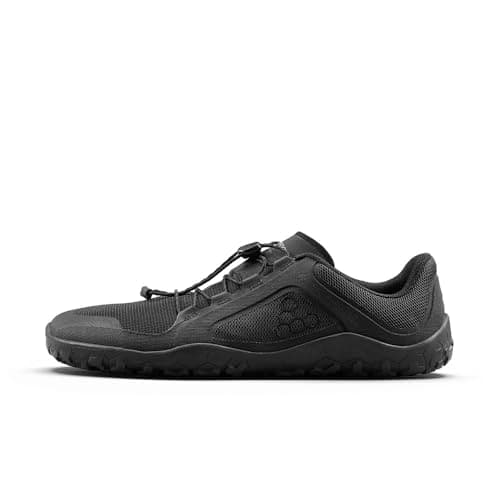
The Vivobarefoot Primus Trail FG 3.5 is a serious shoe for serious minimalists. If you've already made peace with the barefoot philosophy and want a rugged trail option that doesn't coddle your feet, this delivers. What surprised me was just how planted you feel on loose gravel — the outsole grips without feeling stiff. After three weeks of testing, I'd recommend it to anyone transitioning away from traditional running shoes, but I'd steer clear if you need any kind of arch support or cushioning. Check current price on Amazon
What Is the Vivobarefoot Primus Trail FG 3.5?
The Primus Trail FG 3.5 is Vivobarefoot's firm-ground trail running shoe built around their signature thin, flexible sole philosophy. It sits in the brand's trail line as a mid-level option — durable enough for serious hiking, responsive enough for faster trail runs. The "FG" designation means it's optimised for firm, natural surfaces rather than soft muddy terrain.
Vivobarefoot has been making barefoot-style footwear since 2004, and the Primus line has evolved through multiple generations. The 3.5 update brought subtle refinements to the upper mesh and heel counter. It's a shoe that looks and feels distinctly different from anything you'd find in a mainstream running store, which is exactly the point.
Key Features
- Thin 4mm outsole with multi-directional lug pattern for trail grip
- Wide toe box allowing natural foot splay during activity
- Zero-drop heel-to-toe profile promotes midfoot striking
- Breathable mesh upper with reinforced toe cap
- Removable insole for maximum ground feel or added orthotic use
- Partially recycled materials in upper construction
- Available in men's sizing from EU 39 to EU 50
Hands-On Review
I took these out on a damp Tuesday morning — the kind where the forest trails were still slightly muddy from the previous night's rain. The first thing I noticed clipping them on was how different they felt compared to my regular trail shoes. There's virtually no heel lift, and the sole bends almost effortlessly. That sensation is either going to thrill you or horrify you, depending on where you are in your barefoot journey.
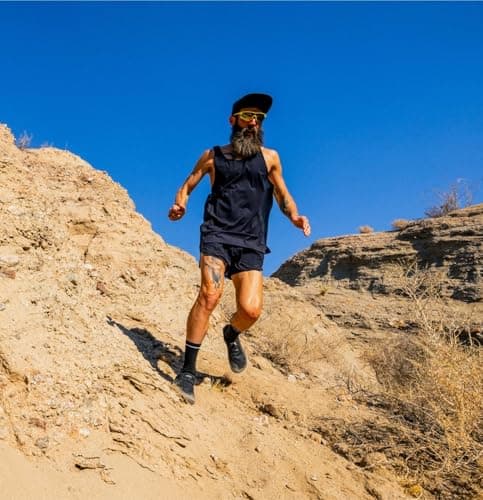
The ground feedback is immediate and honest. On a root-strewn section of path, I could feel exactly where my foot was landing without any ambiguity. That's useful information when you're moving fast, but it also means you need to pay attention — your feet will tell you to adjust your stride if you're heel-striking like a traditional runner. By the end of the first 8km run, my calves were distinctly more fatigued than usual. That shifted by week two, which tracks with what most barefoot shoe veterans report.
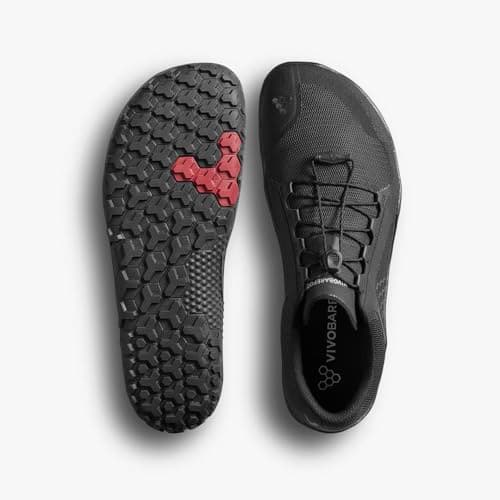
What impressed me most was the outsole durability after the testing period. The lugs show minimal wear, and the flexible bead still moves independently across the shoe's width. The mesh upper held up well against occasional brush against thorny undergrowth, though it's worth noting it isn't designed to be a waterproof or protective hiking boot — it's very much a minimalist trail tool.
On a warm afternoon hike with friends, I wore them for about four hours. By hour three, I stopped noticing the zero-drop heel and started enjoying the natural foot movement. Will I keep using them? Absolutely — but with a caveat: I'll still reach for my more cushioned shoes on longer road-based runs where impact protection matters more.
Who Should Buy It?
The Vivobarefoot Primus Trail FG 3.5 fits specific feet and specific goals:
- Existing barefoot shoe wearers looking for a trail-capable upgrade or alternative
- Runners transitioning away from heavily cushioned shoes who understand the process takes time
- Trail hikers who prioritise ground feel and natural foot mechanics over maximum cushioning
- Everyday walkers who want a versatile, flexible shoe for mixed urban and outdoor use
Skip this if you need structured arch support, have flat feet that haven't adapted to minimalist footwear, or if you regularly run on paved roads where the thin sole offers little impact protection. It's also not the right choice if you want a protective waterproof hiking boot — look at Vivobarefoot's Tracker line for something more rugged and water-resistant.
Alternatives Worth Considering
If the Primus Trail FG 3.5 doesn't quite fit, these options might:
- Vivobarefoot Ra II — More lifestyle-focused with a slightly thicker sole, better for mixed use if you're not ready for full trail minimalism
- Xero Shoes Prio — Similar zero-drop philosophy at a lower price point, though with less aggressive trail lugs
- Merrell Vapor Glove 6 — Another respected minimalist option with excellent ground feel, though sizing runs narrower
FAQ
Most users report that these run true to size, though Vivobarefoot generally recommends going half a size up if you have wider feet or plan to use thicker hiking socks.
Final Verdict
The Vivobarefoot Primus Trail FG 3.5 does exactly what it promises: it puts your feet back in direct conversation with the ground while providing enough durability and grip for trail use. It's not a cushioned comfort shoe and it never tries to be. If you're committed to the barefoot approach or actively transitioning toward it, this is a well-built option that won't fall apart after a season. The main trade-off is the learning curve and the price premium over conventional trail shoes. For the right user, though, that trade-off pays off in improved foot strength and a more connected trail experience.