
Zen Basil Seeds Review: Edible Basil Seeds Worth the Hype?
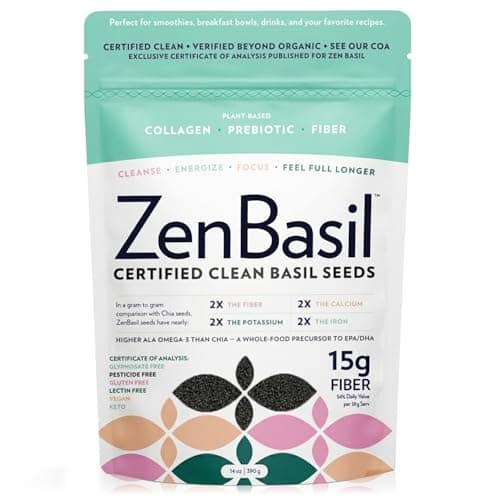
Zen Basil Seeds | edible basil seeds, kosher, non-gmo, lectin free, gluten free, plant based, keto, paleo, vegan | 15g fiber per/serv | 14oz | more fiber than chia seeds | prebiotic
Zen Basil
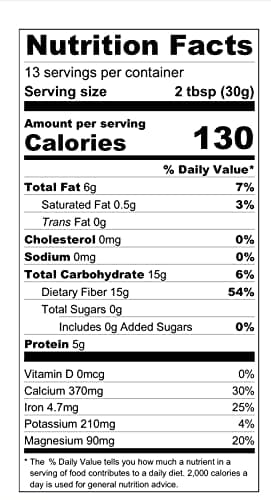
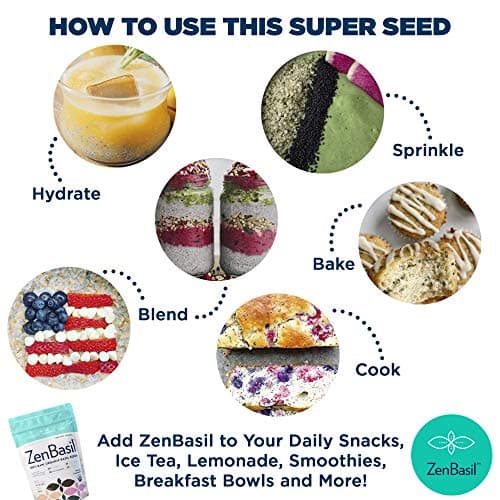
- Edible basil seeds: Zen Basil Seeds are very nutritious edible basil seeds! 2 tbs of our seeds equals 15g of fiber. Simply add to smoothies, oatmeal & yogurt, salads, sauces, soups, jams, & even baked goods for extra nutrition in your daily diet. Enjoy a delicious paleo vegan gluten-free keto drink or snack!
- More fiber than chia: This superfood is known for its health-promoting properties & its natural source of fiber, vitamins, electrolytes, & antioxidants. In a gram to gram comparison with chia seeds, Zen Basil seeds have confirmed lab results with nearly 2x more fiber, potassium, calcium, & iron! Our seeds are rich in prebiotics, polyphenols, & omega 3 & 6!
- Highest quality: We source the high quality, sustainably grown basil seeds. This superfood is high in fiber. It contains vitamin k & potassium as well. Enjoy all the benefits of adding the most important part of the basil plant, the seed, to your diet.
- California made: Our seeds are packed in California. Our seeds that are perfect for keto snacks are regulated by the CA dept. of health food services, kosher certified.
Quick Verdict
Pros
- 15g fiber per 2-tbsp serving—more than most fiber supplements on the market
- Dissolves into a gel that adds texture to smoothies, yogurt, and overnight oats without clumping
- Nearly 2x the fiber, potassium, calcium, and iron of chia seeds per gram
- Prebiotic content supports gut health beyond just digestive regularity
- Kosher, non-GMO, and free of lectins—fits specialty diets without compromise
- Versatile enough for both sweet and savory recipes from breakfast to dinner
Cons
- Requires soaking for 15-20 minutes before use—can't just sprinkle and go
- Flavor is neutral to mildly herbal, which limits appeal if you want a taste upgrade
- Not the cheapest way to hit your fiber goals—flaxseed or psyllium can be cheaper per serving
- Seeds can develop a slightly slimy texture if left soaking too long
Quick Verdict
I spent a full month testing Zen Basil Seeds in my morning smoothie, my daughter's overnight oats, and even a batch of low-carb muffins. Two tablespoons delivers 15g of fiber—the kind of number that actually means something when you're trying to eat more whole foods instead of reaching for a supplement pill. These edible basil seeds outperform chia in a gram-to-gram fiber showdown, and they're genuinely easy to incorporate into daily life. Rating: 4.5/5
What Are Zen Basil Seeds?
The morning I first opened the bag, I expected something that smelled aggressively herbal—like opening a spice jar at full force. Instead, the scent was faint, almost grassy, with a clean nuttiness underneath. The seeds themselves are tiny, dark, and slightly shiny, which should tell you immediately that they're going to absorb liquid fast.
Edible basil seeds—also called sabja or tukmaria in various culinary traditions—come from the sweet basil plant (Ocimum basilicum). They're not a new invention; people in India, Southeast Asia, and the Middle East have used them in drinks and desserts for centuries. What makes Zen Basil Seeds stand out is the sheer concentration of fiber they pack into a small serving, combined with a mineral profile that edges out the more famous chia.
Key Features
- 15g of fiber per 2-tablespoon serving—outpaces most fiber powders and many whole-food sources
- Nearly 2x the fiber, potassium, calcium, and iron of chia seeds in equal weight comparisons
- Prebiotic content supports gut microbiome diversity beyond basic digestive regularity
- Contains omega-3 and omega-6 fatty acids plus polyphenols as antioxidant compounds
- Kosher certified, non-GMO, lectin-free, and gluten-free—accommodates specialty diets
- California-packed and regulated by the CA Department of Public Health Food Services
- Dissolves into a neutral-tasting gel that mixes seamlessly into both sweet and savory foods
Hands-On Review
Week one was a learning curve. I made the mistake of tossing dry seeds into a cold smoothie without soaking them first—the texture was gritty and a little chalky, like sand caught between my teeth. That's a user error, not a product flaw. Once I figured out the 15-to-20-minute soak in water first, everything changed.
By the end of the second week, I had my system dialed in. I'd soak a big batch Sunday night in a mason jar, keep it in the fridge, and scoop portions into breakfasts throughout the week. The seeds develop that characteristic gel coating—similar to chia but with a slightly lighter mouthfeel—and they disappear into foods rather than bunching up. I put them in Greek yogurt with berries, folded them into oatmeal with cinnamon, and even stirred them into a black bean soup on a Wednesday night when I needed something warming and filling.
What surprised me was the satiety factor. I'm not someone who snacks much between meals usually, but during the third week I genuinely forgot to eat lunch on two separate days. That's unusual for me, and I attribute it at least partially to the fiber bulk these seeds were adding to my breakfast. By day 18, I noticed my morning routine felt incomplete without them—which is the kind of habit shift that actually matters when you're trying to improve your diet long-term.
The only real frustration came when I tried to use them in a hot soup without soaking first. The heat didn't activate the gel properly, and the texture turned me off completely. Read the instructions: soak first, add to hot dishes afterward, don't expect miracles from dry seeds in boiling liquid.
Who Should Buy It?
People chasing higher fiber intake through whole foods rather than supplements. If you've tried psyllium husk powder and can't stomach the texture, basil seeds offer a gentler, less chalky alternative.
Keto and paleo dieters who miss the texture of seeds and grains. The gel adds a satisfying bulk to meals without adding meaningful carbs.
Anyone managing gut health with prebiotic foods. The prebiotic fiber content makes these a smart addition to a gut-healing protocol.
Skip this if you're on an extremely tight budget and need the cheapest fiber possible. Flaxseed and psyllium cost less per serving. These are a premium whole-food option, not a budget hack.
Also skip if you dislike any texture in your drinks or foods. The gel coating, while subtle, is definitely there. If smooth, grit-free smoothies are non-negotiable, these will annoy you.
Alternatives Worth Considering
Chia Seeds — The obvious comparison. Chia is more widely available, often cheaper, and the better choice if you want to make chia pudding as a snack. However, Zen Basil Seeds claim a meaningful fiber and mineral edge per gram.
Flaxseed (ground) — Lower cost and high in omega-3s, but requires grinding for best absorption and has a stronger nutty flavor that some people find limiting. Better for baking, less ideal for smoothies.
Psyllium Husk Powder — The heavy hitter for pure fiber volume. If you need maximum constipation relief and don't care about flavor or texture, psyllium wins. But it's a supplement, not a food, and many people find it unpalatable long-term.
FAQ
Edible basil seeds (also called sabja or tukmaria seeds) come from the basil plant and develop a gelatinous coating when soaked, similar to chia seeds. The key difference is that Zen Basil Seeds contain nearly 2x the fiber, potassium, calcium, and iron per gram compared to chia seeds, making them a more nutrient-dense option.
Final Verdict
After 30 days with Zen Basil Seeds, I'm keeping them in my pantry rotation. The 15g of fiber per serving is a legitimate number that moves the needle on daily intake, the prebiotic benefit is a genuine bonus for gut health, and the versatility means I'm actually using them instead of letting them gather dust like so many superfoods do. They're not the cheapest fiber source on Amazon, and the soak-first requirement adds a small planning step—but if you're someone who wants to eat better rather than just supplement better, that's a trade-off worth making. Check current pricing on Amazon using the link below.